Education System |
Teaching
Group learning: A path to academic success

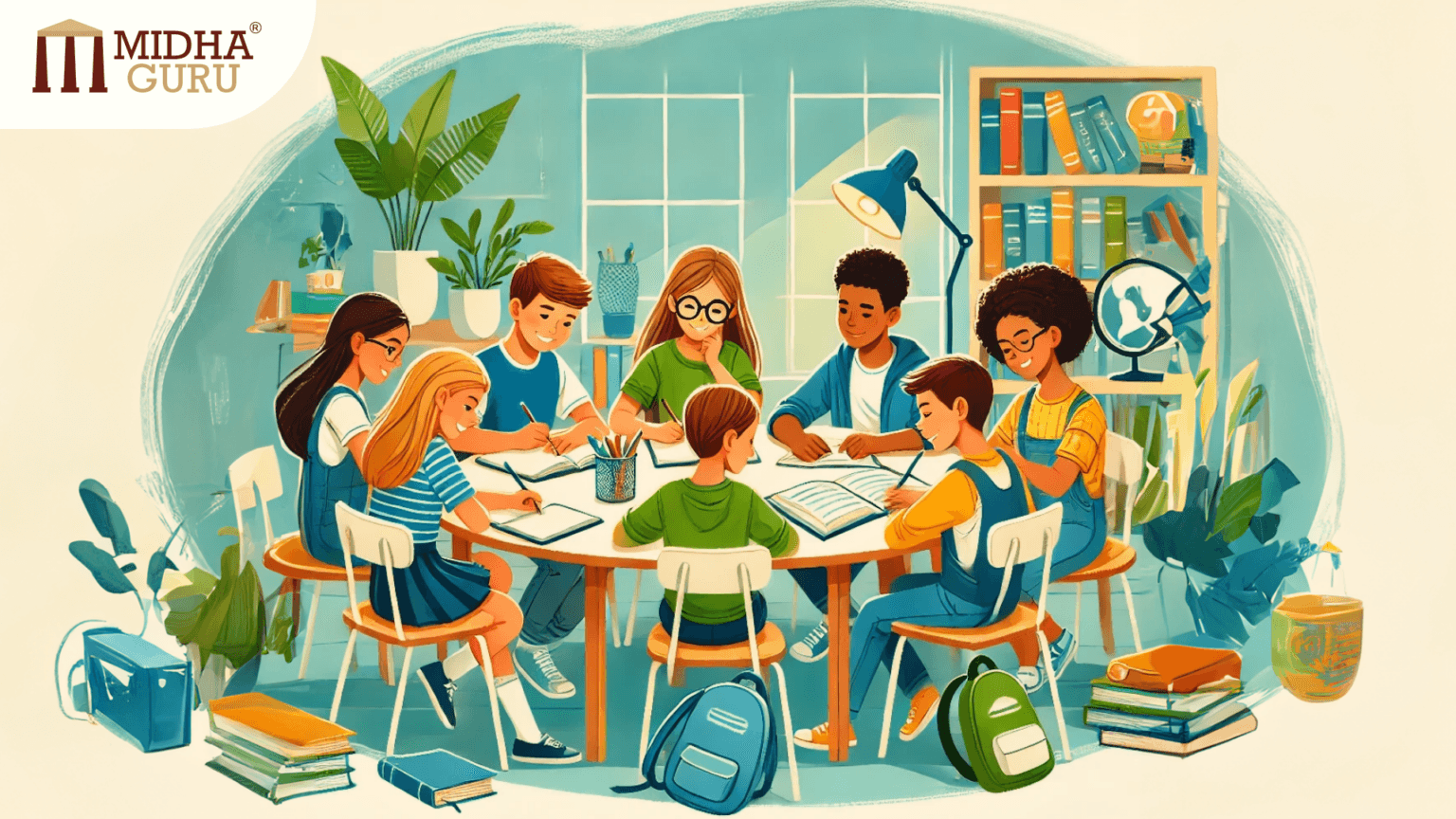
In today’s fast-paced world, education is no longer limited to individual learning. The importance of group learning and teamwork is becoming more apparent, especially in academic settings. Group learning has emerged as a powerful tool for fostering teamwork and promoting academic success, preparing students not just for exams but for the challenges they’ll face in their future careers.
By engaging in group learning, students develop vital skills like communication, problem-solving, and cooperation, all while deepening their understanding of the subject matter. This approach is particularly effective for children in classes 6-10, as it enhances their learning experience during these formative academic years.
Let’s explore how group learning encourages teamwork, boosts academic success, and sets students up for long-term growth.
Promoting Active Participation and Engagement
Group learning encourages active participation from all students, rather than passive consumption of information. When students work together, they become more involved in discussions, ask questions, and challenge each other’s ideas. This collaborative environment fosters a deeper understanding of the material, as students are more engaged in the learning process.
Through group learning, students learn to explain concepts in their own words and break down complex ideas for their peers. This not only solidifies their own understanding but also promotes a more interactive and dynamic learning environment.
At MIDHA GURU, we believe in the power of group learning. Our group sessions are designed to encourage active participation, where students can collaborate on solving problems, share their insights, and learn from each other’s perspectives.
Developing Communication and Interpersonal Skills
In any group setting, effective communication is key to success. Group learning requires students to articulate their thoughts clearly, listen to others, and engage in productive discussions. These interactions help students develop strong communication and interpersonal skills, which are essential in both academic and professional settings.
By learning to communicate effectively with their peers, students also become more confident in expressing their ideas and opinions. This confidence extends beyond the classroom, helping them succeed in various social and collaborative environments.
MIDHA GURU emphasizes communication as an essential part of group learning. Our students learn to express their ideas clearly and respectfully, while also developing the ability to listen and consider the perspectives of others. This helps create a collaborative atmosphere where every student feels heard and valued.
Encouraging Peer Learning and Support
One of the greatest benefits of group learning is the opportunity for peer support. Students often find it easier to relate to their peers when they explain concepts in simpler, more relatable terms. This type of peer learning reinforces understanding and helps students overcome challenges more effectively.
When students encounter difficulties, they can rely on their group members for help, creating a supportive network. This peer-to-peer interaction not only enhances comprehension but also builds trust and camaraderie among students, which contributes to a positive learning experience.
At MIDHA GURU, we foster a culture of peer support, where students help each other through challenging topics and work together to find solutions. This collaborative approach strengthens their understanding of the subject matter and builds lasting bonds of friendship and trust.
Improving Problem-Solving Abilities
Group learning provides students with the opportunity to tackle problems together. When faced with a difficult question or concept, students in a group can brainstorm, debate, and collaborate to find the best solution. This process of collective problem-solving enhances critical thinking and analytical skills, as students are exposed to different ways of approaching and solving problems.
By working together, students learn that there are multiple ways to arrive at a solution, broadening their thinking and encouraging creativity in problem-solving.
At MIDHA GURU, we integrate problem-solving exercises into our group learning sessions. Our students learn to approach challenges creatively and collaboratively, ensuring that they are not only mastering the material but also developing the problem-solving skills that are crucial for academic success.
Building Teamwork and Collaboration Skills
In today’s world, teamwork is a vital skill in both education and the workplace. Group learning helps students develop strong collaboration skills by requiring them to work together to achieve common goals. Students learn to divide tasks, delegate responsibilities, and support each other to ensure that the entire group succeeds.
This experience helps students appreciate the value of teamwork and teaches them how to navigate group dynamics effectively. Whether they are working on a group project or studying for an exam, students who participate in group learning are better equipped to collaborate with others and contribute meaningfully to a team.
At MIDHA GURU, we prioritize teamwork in our group learning sessions. Our students not only learn the academic material but also practice essential collaboration skills that will serve them well in both their education and future careers.
Enhancing Accountability and Responsibility
Group learning fosters a sense of accountability among students. When students are part of a group, they are responsible not only for their own learning but also for contributing to the success of the entire group. This shared responsibility encourages students to be more diligent in their studies, as their peers rely on them to participate and contribute.
This sense of accountability helps students develop a greater sense of responsibility for their own education. They are more likely to stay motivated and focused when they know that their peers are counting on them to contribute to group discussions and projects.
At MIDHA GURU, we create an environment where students take ownership of their learning and hold themselves accountable for the success of the group. This shared responsibility fosters a strong sense of community and encourages students to push themselves to achieve more.
Preparing for Future Academic and Career Success
In today’s interconnected world, collaboration and teamwork are essential for success in both academic and professional settings. Group learning helps students develop the skills they will need in future academic pursuits and careers, including teamwork, communication, problem-solving, and leadership.
By engaging in group learning early on, students become more comfortable working with others, navigating group dynamics, and contributing to collective goals. These skills are highly valued in both higher education and the workforce, where the ability to collaborate effectively is a key indicator of success.
At MIDHA GURU, we prepare our students not only for academic success but also for the collaborative world beyond the classroom. Our group learning approach equips students with the skills they need to thrive in college, the workplace, and beyond.
Conclusion: The Power of Group Learning
Group learning is more than just an academic exercise—it is a powerful tool for fostering teamwork, enhancing problem-solving skills, and building essential communication and collaboration abilities. For students in classes 6-10, this approach helps them develop the skills they need to succeed both academically and in life.
At MIDHA GURU, we understand the value of group learning. Our sessions are designed to provide students with the opportunity to work together, learn from each other, and grow both intellectually and socially. Through our focus on teamwork, problem-solving, and peer support, we help students achieve academic success while also preparing them for the challenges and opportunities of the future.
By embracing group learning, students not only gain a deeper understanding of their subjects but also develop the skills and confidence they need to succeed in an increasingly collaborative world.