General
Managing Screen Time: A Balanced Approach

Introduction
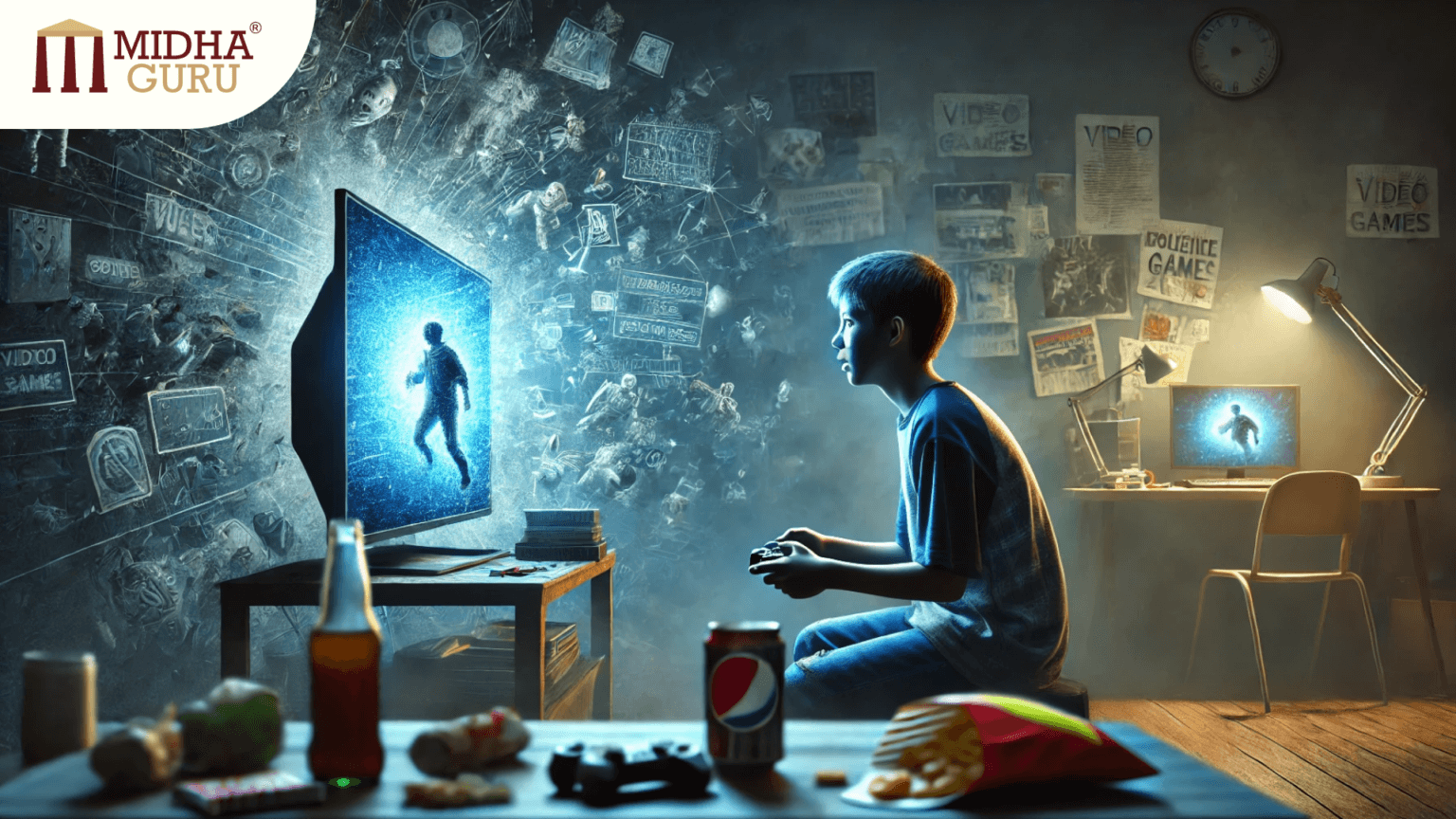
Screens have become an integral part of our lives in today’s digital age. From online classes to social media, students spend a significant amount of time in front of screens. Though technology has brought immense benefits to learning and connectivity, it has also raised concerns about the impact of excessive screen time on students’ health and well-being.
There are several things students and parents should keep in mind and maintain the proper balance about their screen time. We are going to address some of the issues arising from screen time management, effects, and best ways of achieving healthy balances.
Why Screen Time Must Be Balanced
These screens are full of entertainment and education opportunities as well as socialization, but too much screen time causes a range of physical, mental, and social problems. Some of the reasons why one should balance his/her screen time are given below:
Physical Health
Extended exposure to screens leads to eye strain, bad posture, and a sedentary lifestyle, triggering headaches, poor vision, and back pain. A sedentary lifestyle also takes one further from the criteria of obesity and various health problems.
Mental Health
Exposure for long periods to social networking and video games can lead to the creation of stress and anxiety. It can also deter a person from sleeping because, obviously, the screens have blue light to allow for viewing in lower or even no light.
Social Skills
Too much display has led to delayed reception of vital social skills acquisition between young children and adolescents, mostly because there is less occurrence for face-to-face interdependence, thus less exposure toward creating meaningful relationships.
Understanding these challenges is the first step towards finding a balanced approach to screen time.
Practical Tips to Manage Screen Time
For students, screens are not just a source of entertainment but also a vital tool for education. Here’s how students can make the most of technology while avoiding its negative impact:
Set Specific Time Limits
This must involve specific time frames for various activities, like studying, playing games, or video-watching. A device-based timer or the set time for screen-watching keeps them on track.
Often Break
The 20-20-20 rule will help them observe something, twenty feet away for twenty seconds, after having stared at the screen for twenty minutes. This ensures that it limits eye strain and refreshes their focus.
Designate hours of the day free from technology use, for example, while eating or before going to bed. You can spend time on exercises, hobbies, or discuss with family.
Use Technology Wisely
Students should make choices of learning or doing something constructive instead of idle scrolling or endless playing. Making use of technology wisely, students learn to concentrate on activities that positively impact their development and learning.
Read also: Use of technology in education
Physical Activity
Schedule time for some physical exercise such as sports, dancing, or even simple walks. This compensates for the sedentary lifestyle brought about by long screen time spent.
How Parents Can Support Balanced Lifestyle
Parents play a very significant role in encouraging children to live a balanced lifestyle. Here are the ways parents can support children to live a balanced life:
Lead by Example
Children imitate their parent’s habits. So, balance your screen habit by restricting your personal use when performing family activities and spending quality time with the child in person.
Schedule for Screen Time
Make a daily routine with the child that includes some study hours, recreation, exercise time, and family time. This way, screen usage is always planned and regulated
Encourage outdoor play and other screen-free leisure activities. It can be through sport, cycling, gardening, or even walking the family dog together.
Monitor what they view online and discuss with them the content that they access. This ensures they consume safe, age-appropriate, and productive content.
Establish Bedtime Rules
Limit screen use before bedtime to improve sleep. Read, journal, or listen to soft music right before sleep.
Digital Detox: A Healthy Habit for Families
A digital detox refers to a time of not using screens and devices for the purpose of spending other non-digital time engaging in other activities. In a family, regular sessions of digital detox help in ways such as the following:
Quality time spent together, without digital distractions, allows better relationships.
Encouraging creativity by activities like painting, cooking, or even crafting, new hobbies are invented.
Reduces stress-a break from screens reduces the levels of stress and rejuvenates the mind
Plan a digital detox day for your family every month or at least a few hours every week so that there can be healthy coexistence with technology.
Conclusion
Finding a right balance in screen time usage is important for both students and parents in this world dominated by screens. It is neither about abolishing screen time usage nor about using it judiciously and purposefully to reap the benefits of technological advancements. Setting boundaries with technology, taking breaks with it, and prioritizing offline activities can help make the most of technology utilization while maintaining physical and mental well-being.
Remember, balance is not overnight. It takes consistency and awareness, along with the cooperation of students and parents, to achieve it. Family collaboration will help in bringing about the right balance to foster growth, learning, and healthy relationships.